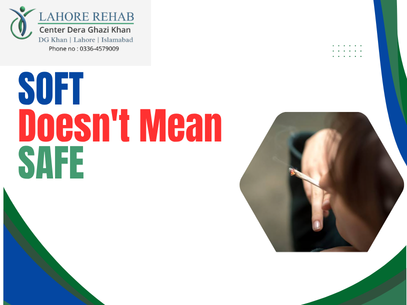
The term "soft drug" is one of the most misleading labels in public health. It creates a false sense of security, suggesting that substances like cannabis, prescription medications used recreationally, or over-the-counter gas station products are somehow harmless or low-risk . At Lahore Rehab Center DG Khan, we see the consequences of this misconception every day. The truth is stark: "soft" does not mean safe.
The Myth of the "Soft" Label
Drugs are typically classified as "hard" or "soft" based on public opinion, not science . Hard drugs like heroin and methamphetamine are considered highly addictive and toxic. Soft drugs, on the other hand, are perceived as less harmful and less likely to lead to physical addiction . This perception has real-world consequences—it leads people to underestimate the risks and delay seeking help until addiction has taken hold.
As one medical journal put it, the term "soft drugs" is "pharmacologically ambiguous and often mistakenly equated with 'safe drugs'" . All drugs, regardless of label, carry the risk of inducing loss of control over consumption—the hallmark of addiction .
Cannabis: The Poster Child of Misconception
Cannabis is often seen as the safest of the "soft" drugs. Yet the evidence tells a different story. Regular cannabis use has been linked to short-term memory loss, decreased motivation, anxiety, and depression . A study published in JAMA Psychiatry linked regular cannabis use to higher risks of depression .
Long-term users often report increased anxiety, mood instability, memory issues, and cravings that disrupt daily routines . Perhaps most concerning, high-potency cannabis has been linked to a significantly increased risk of psychosis and schizophrenia. A 2019 study in The Lancet Psychiatry found that daily use of high-potency cannabis was associated with a fivefold increase in the odds of first-episode psychosis .
Even without major health problems, cannabis consumers often experience "major alterations of social functioning," including withdrawal, apathy, and difficulty maintaining relationships .
Prescription Pill Misuse: Hidden Dangers
Prescription medications misused recreationally—such as Xanax, codeine, or stimulants—are often categorized as "soft" because they come from a pharmacy. But the risks are real and severe. Opioids, even when prescribed, can lead to addiction, respiratory depression, and fatal overdose .
The rise of counterfeit pills laced with fentanyl has made this even more dangerous. A person who believes they are taking a mild prescription drug may unknowingly consume a deadly dose of synthetic opioid.
as Station Drugs: Legal but Lethal
Products containing kratom, 7-hydroxymitragynine (7-OH), and tianeptine are increasingly popular among young adults—and they are available in ordinary gas station convenience stores . Marketed as "natural supplements" or "mood enhancers," these products can seem safe simply because they are easy to purchase.
However, gas station drugs affect the same brain systems involved in addiction. Tolerance builds quickly, leading to higher doses, and withdrawal symptoms—anxiety, irritability, insomnia, depression—can be intense . Many young adults begin using these products to cope with anxiety, depression, or chronic stress, but they often worsen mental health challenges over time .
The False Line Between Hard and Soft
The distinction between hard and soft drugs is not as sharp as people imagine. Hard drugs are certainly dangerous, but soft drugs can quietly build psychological dependence . As one study noted, all drugs can induce "major loss of the control of consumption" due to sensitization of the brain reward system .
When compared over time, the mental health toll of substances like cannabis can rival that of so-called "harder" drugs . The labels do not reflect the individual's vulnerability—those with a family history of mental illness, young people, and those already struggling with stress or trauma are at higher risk.
The Slippery Slope of Casual Use
Casual use of soft drugs often starts small—a weekend puff, a pill to unwind, a product to "feel normal." But when a substance becomes your go-to for managing everyday stress, you are laying down neural pathways that favor escape over coping. Before you notice, that once-in-a-while habit becomes the thing that gets you through the day.
The signs that the slope has gotten slippery include:
Needing the substance to sleep or socialize
Planning your day around getting high or coming down
Saying "I could quit anytime" but never actually doing so
Vulnerable Populations "Soft" drugs are particularly dangerous for:
Adolescents and Young Adults: The brain continues developing into the mid-20s. Substance use during this period disrupts neural development and increases the risk of lifelong mental health problems.
Individuals with Mental Health Conditions: Those with anxiety, depression, or a family history of psychosis are at higher risk of substance-induced mental illness.
Pregnant Women: Cannabis use during pregnancy can affect fetal brain development and lead to low birth weight.
Conclusion:
The term "soft drug" is a false comfort. Cannabis, prescription medications used recreationally, and gas station products all carry real risks—addiction, psychosis, depression, and physical health damage . The line between soft and hard isn't as sharp as people imagine. What matters is not the label, but the impact on your life.
If you or a loved one is using any substance, even one labeled "soft," and finding it difficult to control, that is a sign to seek help. Recovery is possible, and it begins with honesty about the risks.
If you or a loved one is struggling with substance use—whether "hard" or "soft"—help is available. Lahore Rehab Center DG Khan offers compassionate, evidence-based treatment for addiction and co-occurring mental health conditions.
📍 Lahore Rehab Center, Dera Ghazi Khan 📍 PIA Road Branch, Lahore 📍 Nawab Town Branch, Lahore
Lahore Rehab & Wellness Center · Evidence-based addiction treatment with complete privacy and professional care—for you and your family.
← All articles