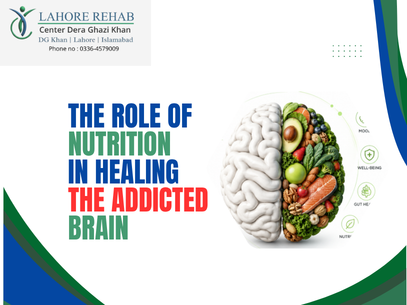
When we think of addiction recovery, we often focus on therapy, support groups, and medical treatment. But there is another essential piece of the puzzle that is frequently overlooked: nutrition. Substance abuse depletes the body of vital nutrients, damages organs, and disrupts brain chemistry. At Lahore Rehab & Wellness Center, we recognize that healing the addicted brain requires more than just stopping substances—it requires nourishing the body back to health.
How Addiction Damages Nutritional Health
Drugs and alcohol interfere with the body's ability to absorb, process, and utilize nutrients. They can suppress appetite, cause vomiting, damage the digestive system, and alter metabolism. The result is a state of malnutrition that affects both physical and mental health.
Alcohol
Depletes B vitamins (especially B1, B6, and folate), magnesium, zinc, and antioxidants. This contributes to brain damage, fatigue, and mood disorders.
Opioids
Cause constipation and digestive issues, leading to poor nutrient absorption.
Stimulants (Cocaine, Meth)
Suppress appetite, leading to severe weight loss, electrolyte imbalances, and muscle wasting.
Cannabis
Can increase appetite but often leads to consumption of nutrient-poor foods.
Benzodiazepines
May cause nutritional deficiencies due to poor dietary habits during use.
Without intervention, malnutrition worsens cravings, impairs cognitive function, and makes emotional regulation difficult—all of which increase relapse risk.
Nutrients That Heal the Addicted Brain
Certain nutrients are essential for repairing the damage caused by substance abuse and supporting long-term recovery.
1. Amino Acids:
The Building Blocks of Neurotransmitters Amino acids like tryptophan, tyrosine, and glutamine are precursors to neurotransmitters—the brain's chemical messengers. Tryptophan supports serotonin (mood and sleep), tyrosine supports dopamine (motivation and pleasure), and glutamine supports GABA (calmness and relaxation). Protein-rich foods like eggs, fish, meat, legumes, and nuts provide these essential building blocks.
2. Omega-3 Fatty Acids
Omega-3s are essential for brain health. They reduce inflammation, support nerve cell function, and improve mood and cognition. Fatty fish (salmon, mackerel), walnuts, flaxseeds, and chia seeds are excellent sources. Studies show that omega-3 supplementation can reduce cravings and improve emotional stability in recovery.
3. B Vitamins: Energy and Mood Stabilizers
B vitamins—particularly B1 (thiamine), B6, B9 (folate), and B12—are crucial for brain function and energy production. They help produce neurotransmitters and reduce stress. Whole grains, leafy greens, eggs, dairy, and lean meats are rich in B vitamins.
4. Vitamin D: The Sunshine Vitamin
Low vitamin D levels are linked to depression and mood disorders. Sunlight exposure, fortified foods, and supplements can help restore healthy levels. Emerging research suggests that vitamin D deficiency may increase addiction vulnerability.
5. Magnesium: The Relaxation Mineral
Magnesium is essential for nerve function, muscle relaxation, and sleep. Alcohol and stimulants deplete magnesium stores. Magnesium-rich foods include spinach, almonds, avocados, and dark chocolate.
6. Zinc: Immune and Brain Health
Zinc plays a role in immune function and neurotransmitter regulation. Deficiencies are common in addiction and are linked to depression and cognitive impairment. Zinc-rich foods include oysters, beef, pumpkin seeds, and chickpeas.
7. Antioxidants: Protecting Cells from Damage
Substance abuse generates oxidative stress, which damages brain cells. Antioxidants like vitamin C, vitamin E, selenium, and flavonoids protect cells from this damage. Berries, citrus fruits, nuts, and green tea are rich sources.
Building a Recovery-Friendly Diet
Creating a balanced diet during recovery does not have to be complicated. Here are practical guidelines:
Eat regular meals:
Skipping meals leads to blood sugar crashes that can trigger cravings and mood swings.
Stay hydrated:
Dehydration worsens fatigue and irritability.
Choose whole foods:
Minimize processed foods, sugar, and refined carbohydrates.
Include protein at every meal:
This stabilizes blood sugar and supports neurotransmitter production.
Increase healthy fats:
Omega-3s and monounsaturated fats support brain health.
Limit caffeine and sugar:
Both can worsen anxiety and disrupt sleep.
A Note on Professional Guidance
Everyone's nutritional needs are different, particularly in early recovery. Professional guidance from a nutritionist or dietitian can help you identify deficiencies and create a tailored eating plan. At Lahore Rehab & Wellness Center, we include nutritional counseling as part of our holistic treatment approach.
Conclusion
Recovery is about healing the whole person. That includes healing the brain—and nutrition is one of the most powerful tools for doing so. When you feed your body well, you give your brain the building blocks it needs to repair itself. You stabilize your mood. You reduce cravings. You build the physical energy needed to engage fully in therapy and rebuild your life. Recovery is a journey—and it starts with what you put on your plate. You deserve to nourish yourself. You deserve to heal.
Ready to heal from the inside out? At Lahore Rehab & Wellness Center, we offer comprehensive, holistic care that includes nutritional counseling to support your recovery.
📍 PIA Road Branch, Lahore | 📍 Nawab Town Branch, Lahore | 📍 Dera Ghazi Khan Branch
Lahore Rehab & Wellness Center · Evidence-based addiction treatment with complete privacy and professional care—for you and your family.
← All articles